Safe Rodent Removal South St Paul
Need trusted South St Paul pest control? Choose certified technicians who carry out targeted inspections, detect infestation sources and vulnerabilities, and apply precise, low-toxicity treatments based on seasonal trends. You'll get photographic reports, detailed product information, and threshold-based follow-ups using traps and monitors-eliminating the need for blanket reapplications. Expect integrated pest management crack-and-crevice work, protected entry points, and animal-safe scheduling with detailed reentry guidance. Evaluate written bids, guarantees, and MDA credentials to plan effectively. Learn about prevention tips, pricing factors, and how professional providers support results.
Important Summary
- Professional, fully-insured South St. Paul technicians provide documented inspections, calibrated treatment solutions, and complete safety documentation at every visit.
- Swift and reliable outcomes using IPM: targeted treatments, crack-and-crevice solutions, and eco-friendly formulations matched to pest activity cycles.
- In-depth inspections detect pest species, entry points, moisture problems, and harborage areas; comprehensive photo records and written reports direct accurate solutions.
- Safe and pet-friendly service scheduling with comprehensive verification and monitoring processes to confirm results and eliminate unnecessary follow-ups.
- Preventative care focuses on blocking openings, managing vegetation, repairing leaks, and keeping clean perimeters to prevent pests and nuisance wildlife throughout the year.
Professional Pest Control: A Necessity for South St Paul
Although DIY sprays appear convenient, certified pest control services in South St Paul offer more effective, safer, and longer-lasting solutions. You get comprehensive inspections, expertly dosed solutions, and tracked follow-ups that comply with regulatory requirements and label instructions. Qualified technicians identify access points, water issues and environmental triggers, then implement calculated treatments with proven equipment to reduce exposure and resistance risks.
You get the advantage of data-driven scheduling that considers seasonal trends, guaranteeing treatments coincide with peak activity and reproductive cycles. Experts employ EPA-registered materials and incorporate non-chemical tactics—exclusion, sanitation guidance, and habitat modification-to minimize risks and maximize control. They maintain records for warranty support and compliance, and they will update strategies if monitoring reveals rebound pressure. The result: fewer callbacks, decreased total cost of ownership, and consistent protection.
Local Pest Species and Their Behavior
You'll find ants in South St Paul build satellite nests near damp areas with food, with workers using pheromone routes to basements, kitchens, and wall cavities. You can anticipate rodents to be most active at night and dusk, using established pathways along walls and utility lines to reach food and warmth. When you spot these behaviors, you can target entry points, sanitation, and monitoring with greater effectiveness.
Ants and Their Nesting Behaviors
Investigate under patios, sidewalks, and basement slabs, and you'll understand why ants thrive in South St. They are drawn to moist, compacted soil, nesting under concrete edges and foundation cracks. You'll notice ground tracks radiating from minute entry points; these indicate foraging routes to nourishment and hydration. Most local species are omnivorous, but sweet substances drives quick exploration after rain or yard irrigation.
Colonies construct intricate colony structures keeping their young in warm, humid areas. During springtime, reproductive ants fly out to form additional nests, typically moving when disturbed or when humidity shifts. You'll notice foragers follow pheromone trails, gathering colony members to reliable food sources, like kitchen scraps and plant secretions. Examine ant droppings before assuming termite presence. Block access points, decrease ground cover thickness, and address plumbing problems to limit nesting opportunities.
Rodent Behavior Patterns
During nighttime hours, various rodent species in South St. Paul become increasingly active. These pests take advantage of quiet periods to search for food, build nests, and travel. You'll observe their activity near walls, overhead lines, and building edges, using their sensory abilities to navigate. Within structures, rodent activity peaks around stored food, pet dishes, and accumulated debris. Outside, these animals move alongside perimeter fencing, wood storage, and overgrown areas.
You can expect weather-driven shifts. Chilly weather forces rodents indoors; warm spells expand ranges. Seasonal movement patterns happens as food availability shifts, notably near storage facilities, waterways, and urban spaces. Notice scratching noises, monitor for fresh droppings, and check for gnaw marks on doors and cables. Seal gaps larger than 1/4 inch, minimize hiding spots, and place monitors on movement routes to verify activity.
Key Indicators of Pest Activity
Look out for droppings and nesting materials, as these are key evidence of pest presence. Should you detect strange noises or rustling at night, you're likely detecting unwanted creatures in walls or ceilings. Damaged electrical wiring or woodwork point to pest damage that raises both safety and structural concerns and requires immediate assessment.
Visible Droppings and Nests
Though minor indicators suggest pest activity, discovering droppings and nests is definitive proof that pests have taken residence. You should thoroughly examine kitchens, basements, garages, and attics with a flashlight. Look for rodent droppings in common hiding spots and food areas; fresh pellets appear dark, moist, and soft, while old droppings become gray and fragile. Look out for wasp nest formations under building elements and outdoor fixtures; occupied nests usually have visible wasp movement in daylight hours.
You may find signs like damaged insulation, bite marks on packaging, or grease trails by potential entrances. Avoid disturbing nests or sweep droppings dry - these can release harmful allergens or pathogens. Instead, document with photos, ventilate the area, and contact a professional to confirm species, extent, and safe removal steps.
Strange Sounds During the Night
In addition to visual signs, what you hear during nighttime can indicate activity you might have missed during the day. Keep an ear out for scraping sounds in building cavities, most notably between nightfall and daybreak. Quick, random movement usually indicates small rodents; louder bumping sounds can signal bigger creatures. Persistent nibbling or movement in wall materials frequently indicates nesting activity. Learn to distinguish pest noises from typical structure sounds: pipe sounds occur with water usage, while heating system sounds match operation patterns. If activity halts when you tap the wall, it's a strong indicator of live activity.
Document where and when you hear sounds. Record which rooms, what times, and weather patterns, since some pests are more active in dry or cold conditions. Record short audio clips. Provide your documentation to a certified expert for specific assessment.
Gnawed Wires and Wood
When you discover chewed wires or gnawed wood, it's a crucial red flag that pests, particularly rodents, have established a presence. You're dealing with more than cosmetic issues - these pests maintain their incisors through chewing, resulting in dangerous electrical problems, water damage, and weakened structures. Thoroughly examine key areas like attics, crawl spaces, and appliance surroundings. Search for gnawed cables, teeth marks on supports, and disturbed insulation by electrical connections and wiring routes. Within attic areas, damaged or displaced insulation typically hides animal routes and evidence, showing continued pest presence.
Track locations, then disconnect power to damaged circuits and refrain from touching damaged wiring. Schedule professional inspections to confirm species, entry points, and nest sites. An integrated response—exclusion, sanitation, targeted trapping, and safe repairs—reduces risk and avoids re-infestation. Prompt action safeguards safety, property value, and compliance.
Assessment and Inspection: Aspects Technicians Examine
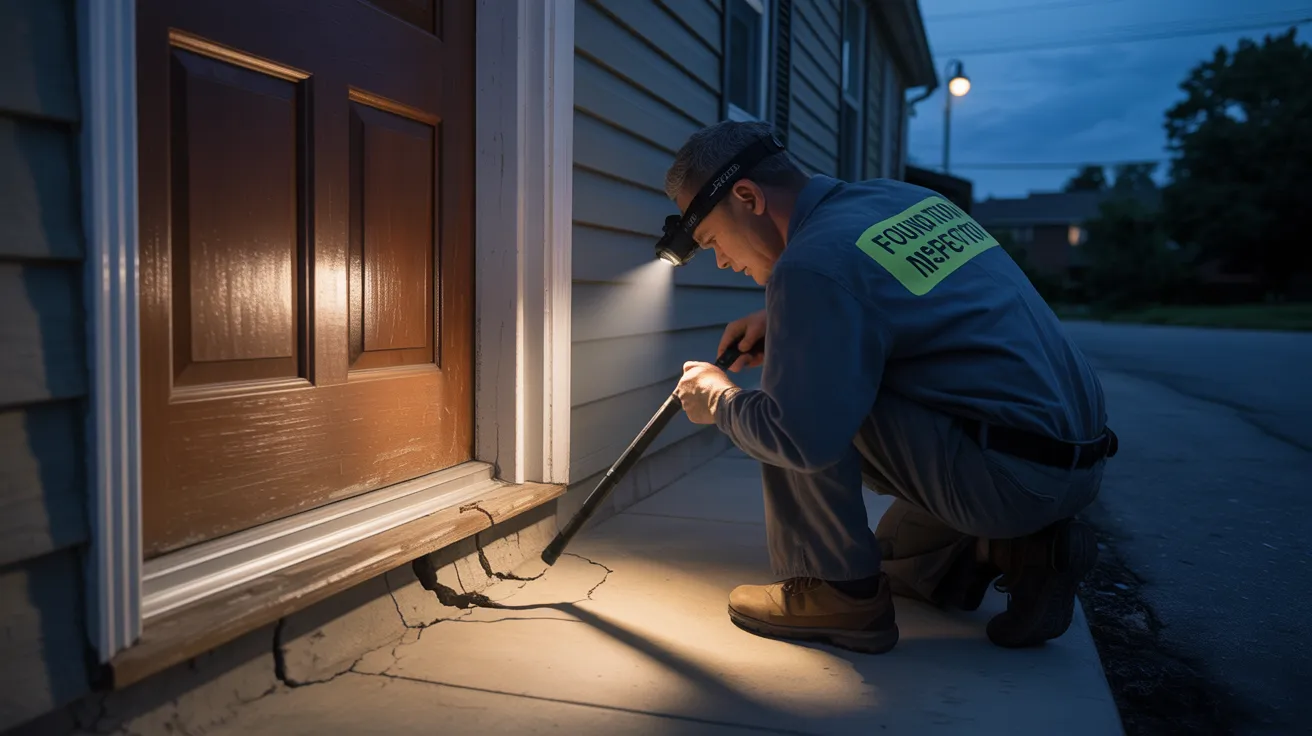
Begin with a organized walkthrough that maps where pests live, move, and obtain sustenance. Technicians review entry points, moisture sources, and harborages with torches and inspection mirrors. They record droppings, rub marks, frass, webbing, and compromised materials to identify species and population pressure. You’ll witness them record infrastructure vulnerabilities—gaps at utility penetrations, ripped screens, unsealed doors, and foundation cracks—and correlate activity with cyclical patterns that drive migrations in South St Paul.
They measure conducive conditions: humidity within basements, crawl spaces, and attics; temperature fluctuations; and food sources from refuse, pet food, or clutter. Exterior scans analyze vegetation contact, grading, and standing water. Technicians confirm nests, runways, and flight paths, verify sanitation gaps, and record findings with photos and notes to justify compliant, data-driven recommendations.
Reliable, Focused Therapy Approaches You Might Encounter
While each property is distinct, you can expect technicians to align the inspection data with Integrated Pest Management (IPM) tactics that prioritize safety and precision. They’ll outline hotspots, identify species, and adapt interventions to behavior. You’ll observe crack-and-crevice applications restricted to harborages, sealed entry points, and monitoring to ensure results.
Expect targeted baits placed where pests forage, reducing broadcast exposure and maximizing uptake. For bed bugs or heat-tolerant pests, thermal remediation treats zones to lethal temperatures while preserving structures. Technicians calibrate sensors, maintain dwell times, and document readings for compliance.
When applicable, remaining products are used to specified surfaces at the most economical rates. Follow-up visits validate decline using traps along with photo documentation. You’ll receive written findings, product information, and precise post-service guidance.
Family-Safe and Eco-Conscious Choices
You can choose low-toxicity treatment plans that meet EPA guidelines while still controlling pests effectively. Technicians use pet-safe application methods-such as targeted baits and crack-and-crevice treatments-to minimize exposure. When available, they apply environmentally-safe products with proven efficacy and residue profiles suitable for homes and households.
Minimally Toxic Treatment Programs
Often the most secure solution is additionally the smartest: low-toxicity pest control utilizes targeted, science-backed methods that limit exposure to people, domestic creatures, and the environment. You obtain results by integrating inspection-driven plans with low-risk products and precise placement. Technicians emphasize Integrated Pest Management: block entry points, get rid of food and moisture, and apply controls only where are required.
You’ll see evidence-based tools such as organic baits with insect growth regulators to interrupt lifecycles, and plant-based repellents derived from essential oil actives that deter pests without broad residuals. Providers select EPA-reduced-risk or FIFRA 25(b) options when suitable, verify labels, and calculate exact dosages for your home’s square footage and pest pressure. Subsequent monitoring with sticky traps and threshold-based re-treatment ensures efficacy while reducing chemical load low.
Pet-Safe Application Methods
As pets explore surfaces, yards, and edges, pet-safe pest control in South St. focuses on targeted, non-toxic treatment and scheduling. You’ll minimize risk by focusing treatments in cracks, wall voids, and exterior perimeters, instead of broad areas. Use gel baits in locked stations rather than broad sprays; they’re pet behavior friendly and reduce drift. Apply desiccant dusts (e.g., silica) in inaccessible voids with low-pressure equipment to prevent tracking. Schedule treatments when pets can be tied, crated, or taken away, and air out rooms before returning. Set monitors to check activity and avoid unnecessary reapplications. Wipe food bowls, toys, and bedding before bringing them back. Follow EPA label directions, follow reentry intervals, and document each step. These approaches protect pets while maintaining efficient, professional control.
Green-Certified Items Utilized
A green-certified program in South St. Paul emphasizes EPA-registered products and integrated pest management, providing effective control with minimal risk profiles. You enjoy organic formulations and targeted baits that minimize residues and drift. We specify active ingredients, apply only as needed, and document label compliance during each appointment.
You’ll observe botanical extracts—such as pyrethrins and essential-oil actives—used where appropriate, along with reduced-risk insect growth regulators that break life cycles without extensive consequences. We steer clear of organophosphates and curtail neonicotinoids unless it is warranted. Applicators follow calibrated dosing, indoor crack-and-crevice placement, and exterior perimeter bands to ensure the safety of children, pets, and pollinators.
You receive SDS access, ingredient transparency, reentry intervals, and ventilation guidance. Results are verified with monitors, not blanket reapplications.
Strategies to Ensure Pests Out Year-Round
Staying ahead of pests in South St. means implementing proven prevention practices throughout the year. Begin with entryway maintenance: seal foundation cracks to 1/4" or smaller or smaller, weather-strip doors, place door sweeps, and repair screens (mesh size 18 by 16 or finer). Place tight-fitting lids on trash, and store food in sealed containers. Repair leaks, protect cold pipes to reduce condensation, and keep indoor humidity below 50% with airflow or dehumidifiers.
Make use of seasonal landscaping to lessening harborage. Keep a 12 to 18 inch vegetation-free perimeter, cut shrubs clear of siding, and maintain grass trimmed. Keep firewood no less than twenty feet from the house and five inches off the ground. Clean gutters in order to stop standing water. For outside barriers, use EPA-registered products per the label, and set up inspections each spring and fall in order to identify early activity.
What Determine Costs along with Budgeting Tips
While all residential property and infestation is distinct, pest control pricing in South St. depends on pest type, infestation severity, the size of the property, the method of treatment (chemical treatment, baiting, thermal methods), the number of visits required, and monitoring after treatment. Bugs like bed bugs, termite infestations, and wild animals usually cost greater due to labor and specialty tools. Single treatments are cheaper at first; comprehensive plans reduce the risk of re-infestation and long-term costs. Access issues (crawlspaces, clutter) and calls after regular hours result in additional costs.
Establish a practical budget by getting formal scopes including materials, visit counts, and guarantees. Implement seasonal budgeting: set aside more for the summer season spikes and reserve a small emergency fund for sudden infestations. Evaluate initial versus total annual cost, including inspections and preventive services. Ask for bundled pricing and reservice terms to eliminate surprise expenses.
How to Choose a Licensed, Reliable Service Provider
Before you execute a contract, verify the company’s Minnesota Department of Agriculture (MDA) registration, pesticide applicator credentials, and coverage, then ensure they follow Integrated Pest Management (IPM) approaches. Ask for the certification number and check it on the MDA verification portal. Prefer firms hiring licensed contractors with current pesticide applicator credentials and documented safety training.
Request a written inspection report detailing species, source, treatment products (EPA-registered), application rates, and safety precautions. Compare at least three bids with consistent scopes. Review customer reviews on different platforms and check complaint histories with the Better Business Bureau and the MDA. Confirm the provider clarifies non-chemical options, entry-point exclusion, and sanitation. Make certain of transparent pricing, clear scheduling, and labeled vehicles. Avoid unclear diagnoses, cash-only demands, and pressure tactics.
Assurance of Services, Follow-Ups, and Ongoing Protection
Despite a thorough initial treatment, successful pest control in South St. Paul necessitates documented service guarantees, scheduled follow-ups, and ongoing protection plans. You ought to verify written satisfaction guarantees that outline response times, retreatment triggers, and coverage limits. Request clarity on exclusions (e.g., wildlife, moisture issues) and how claims are handled.
Require subsequent appointments calibrated to the biology of pests—usually two to four weeks for fast-breeding insects—and monitoring devices to ensure the reduction in numbers. Professionals should log observations, alter the products used and their application, and detail any safety precautions.
To ensure lasting protection, opt for a maintenance program that tackles seasonal challenges, exterior perimeter barriers, and sanitation recommendations. Track warranty expirations so there's no gap in coverage. Ask for proof of authorization, product labels, and service logs for adherence and effective results.
Frequently Asked Questions
Do You Provide Same-Day or After-Hours Emergency Pest Services?
Absolutely. You can schedule same-day and emergency pest services. You’ll get in touch with a dispatcher who implements emergency protocols, evaluates risk factors (biting insects, vermin, wasp colonies), and activates a rapid response. A licensed tech comes with EPA-registered products, inspects entry points, mitigates immediate hazards, and logs findings. You’ll obtain clear next steps, advice on prevention, and follow-up scheduling. Contact us, text, or make a reservation online; after-hours surcharges and geographic limits might be enforced.
Can Technicians Service Multi-Unit Buildings and Coordinate With Property Managers?
Yes, you can find technicians who service multi‑unit buildings and collaborate directly with property managers. Much like sending a telegram, concise communication is at the forefront of the battle: centralized scheduling enhances access, notices, and keys. They’ll execute integrated inspections across units and common areas, deploy staggered treatments to break pest life cycles, and document results. You’ll receive tenant education materials to minimize attractants and prepare units. All methods align with IPM standards and comply with lease and local health regulations.
Are bilingual technicians on hand for on-site communication?
Yes. You can request bilingual support for on-site communication. Spanish technicians are available in many service areas, and if a bilingual tech isn’t scheduled, onsite translators or phone interpretation can be arranged. When booking, specify language needs, unit count, and access constraints. You’ll receive confirmation of the assigned technician’s language skills. This approach reduces miscommunication, supports compliance with tenant notices, and guarantees treatment instructions, safety precautions, and follow-up schedules are clearly understood.
What documentation can you supply for landlords, HOA, or insurance purposes?
Similar to a wartime telegram, you get the information you need fast. You receive thorough service reports documenting the findings, treatments employed, products used, locations visited, and timestamps recorded. We include images, Safety Data Sheet links, and licenses of technicians for evidence-based compliance. You also get certificates of liability listing landlords, HOAs, or insurers as additionally insured, in addition to W-9s and proof of coverage. Upon request, we provide tailored treatment plans, re-inspection summary reports, and compliance letters adjusted to meet lease, HOA, or insurance criteria.
Do You Provide Private, Anonymous Vehicle Service If Needed?
Absolutely. You can opt for discreet service with unidentified vehicles to reduce visibility at your property. We implement documented privacy protocols: technicians arrive without branded apparel, park far from prominent entrances when possible, and connect via phone/text instead of door stickers. Scheduling notes mark confidentiality needs, and we limit on-site labeling of materials, in accordance with label laws and safety data requirements. You’ll receive standard service documentation electronically to ensure discretion while meeting compliance.
Summary
You want a home which is yours alone—no ants, mice, or wasps as tenants. As you act early, schedule inspections, and choose licensed, evidence-based treatment, you reduce risk, cost, and stress. Look out for warning signs, ask about targeted products, and lock in prevention that is effective through seasons. Compare transparent pricing, guarantees, and follow-ups, then make a decision. Because pests don’t negotiate, you shouldn’t either. Call a trusted South St more info Paul provider today and reclaim your space with safe, proven protection.